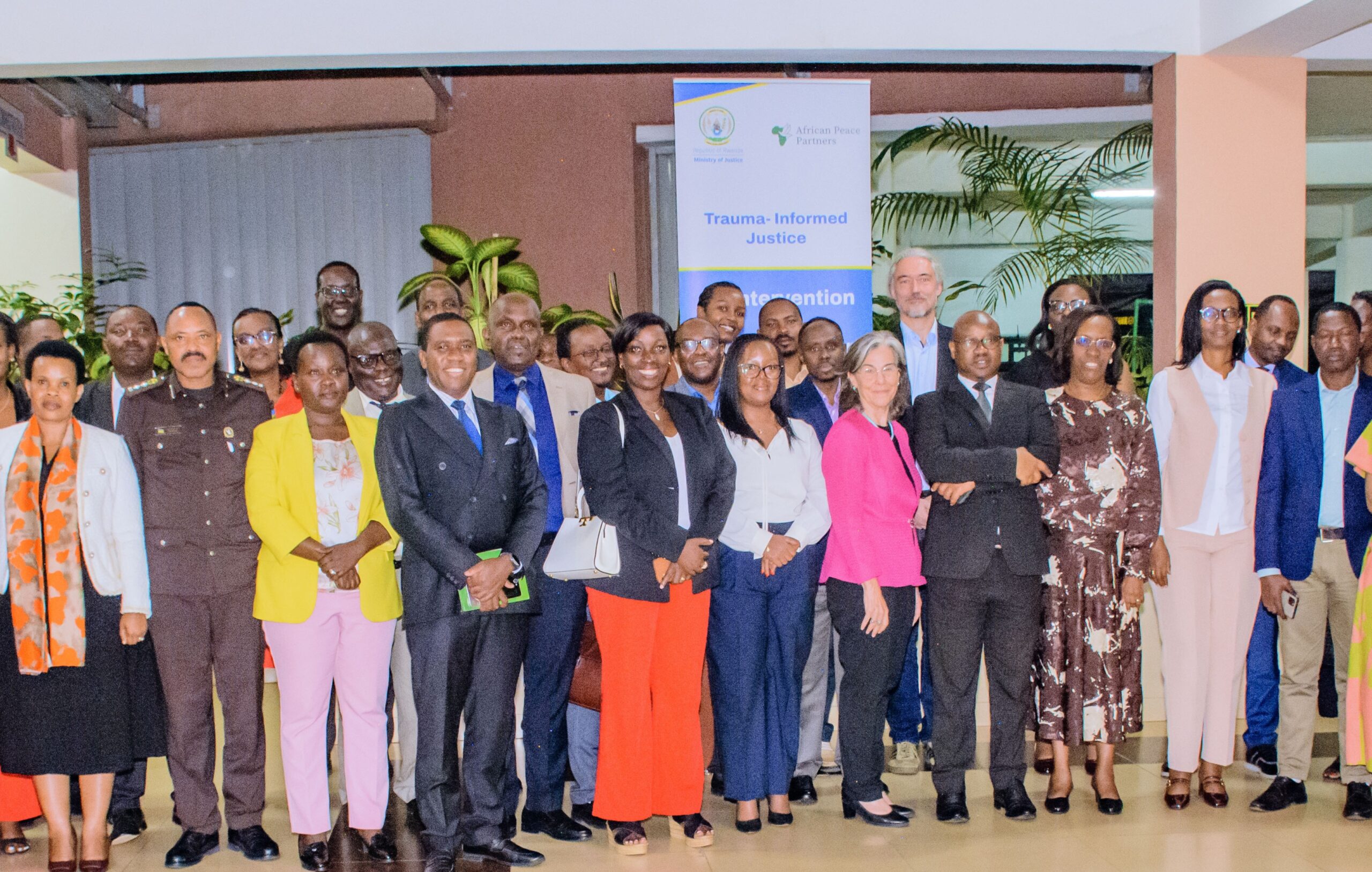
At the beginning of this year, I was in Rwanda — and much of what I saw and experienced there is still resonating within me. Rwanda’s history is marked by deep wounds. And at the same time, this country demonstrates an extraordinary capacity to take steps toward reconciliation and societal healing.
This text is a personal reflection on what continues to live on in the collective field — and on how Rwanda, as a global pioneer, is opening a path to anchoring trauma-informed approaches and restorative justice within state structures. In a second part, Emily and I will go deeper into this work and share our perspectives in a follow-up blog article.
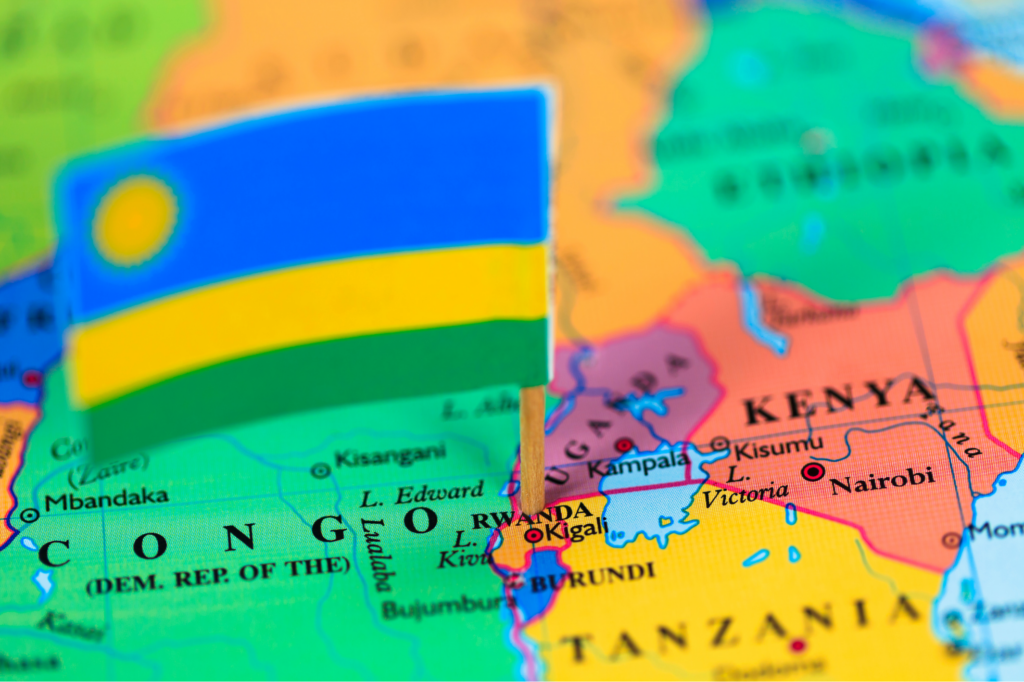
Rwanda’s history is complex, as it is in many countries. And at the same time, there is something unique in Rwanda — a true pioneering achievement.
After a very painful colonization, first by Germany and then by Belgium, a deep collective wound formed. During colonization, targeted propaganda was used to drive the Hutu and Tutsi populations further and further apart. This orchestrated influence created the breeding ground for one of the most horrific genocides in human history. In just 100 days, one million people were murdered in terrible ways. With massive sexual violence and the cruelest torture, Tutsis (and moderate Hutus) were killed by a Hutu govenment planned and coordinated attack on its own people — often by their own neighbors.
At the beginning of this year, I traveled to Rwanda as the opening of a seven-month training in collaboration with the Ministry of Justice. First, I visited the Genocide Memorial. I allowed the content and the deep pain of this history to work within me. For me, this is a deep contemplation to grasp the aftereffects of this massive social traumatization. As I write these lines, I can still feel within me the impact of what I have seen and experienced.
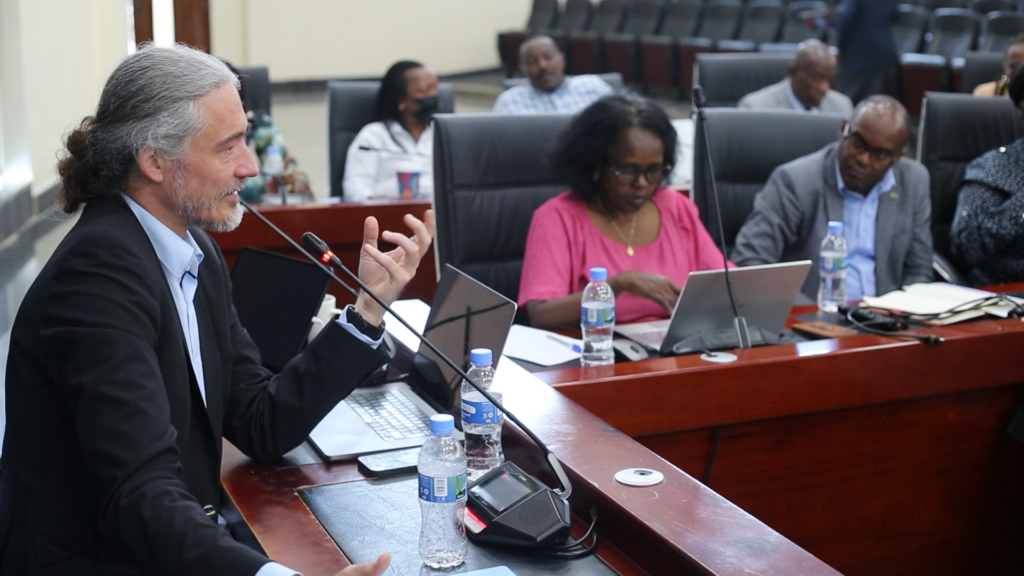
In an extraordinary way, Rwanda has already carried out a nationwide Truth and Reconciliation process initiated in 2001. These so-called Gacaca Courts were implemented as a community-based justice system to meet the immense perpetrator–victim dimension. Through truthful exchange, this community-based process enabled the reintegration of some of the perpetrators back into their communities and established a national policy of reconciliation When the Gacaca Courts were closed in 2012, approximately 2 million cases had been processed.
Even after this enormous achievement, a deep fracture and a reverberating pain remain in Rwanda’s society. This is what we are addressing with our project in collaboration with African Peace Partners ( APP)
APP Co- founder Emily Gould has worked in Rwanda since 2011 for trauma-informed restorative justice on the community level and as an international law reform consultant to Rwanda’s Justice Sector. As a result of her work with Rwandan colleagues and the work of the Ministry of Justice, Rwanda adopted a ground-breaking ADR Policy (Alternative Dispute Resolution Policy) in 2022. It is the first national policy of any country to call for a trauma-informed approach to justice and that centers mediation and restorative justice throughout the legal system.
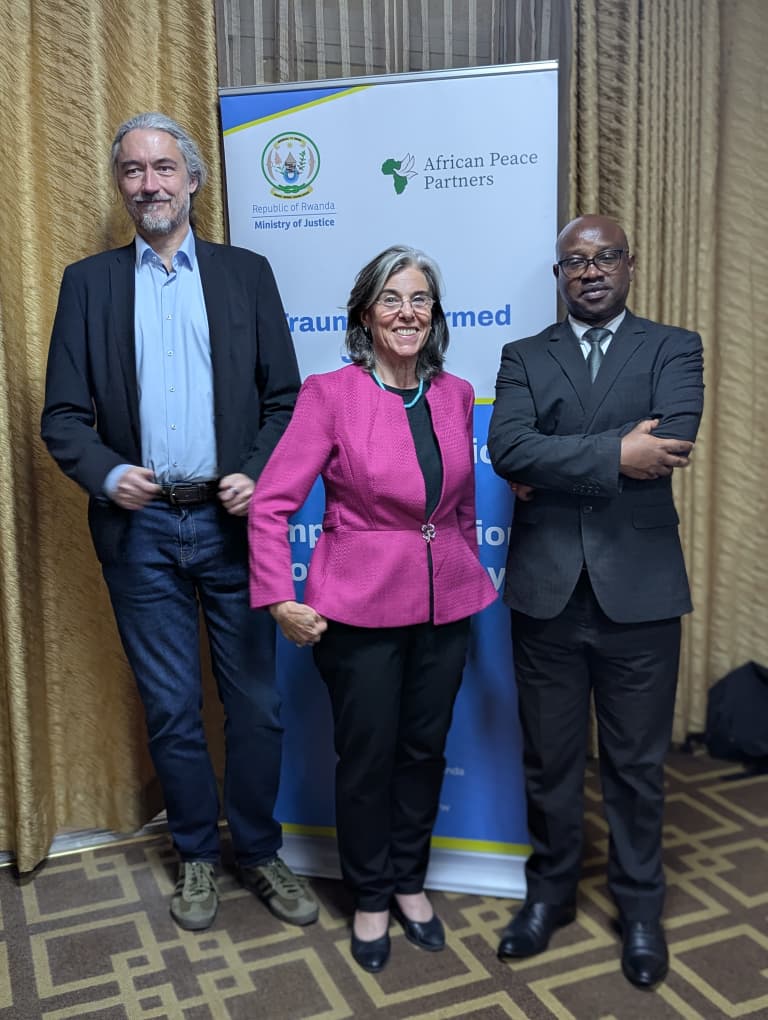
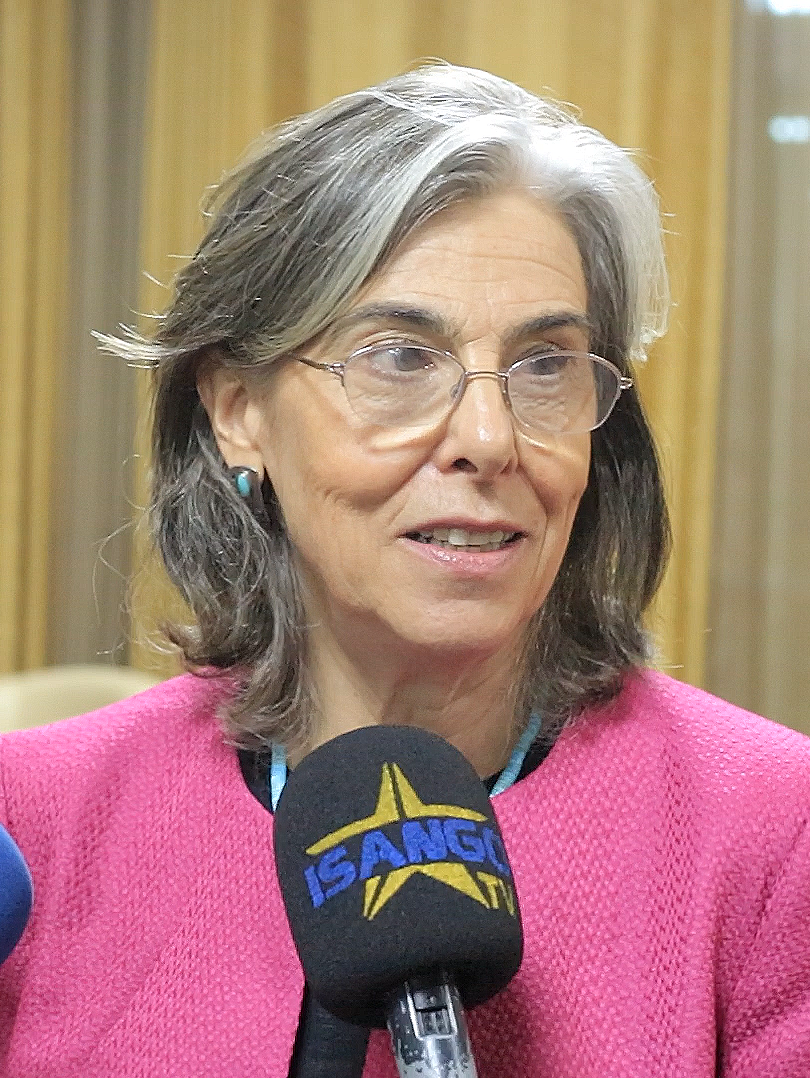
For several years, Emily (with the NGO – African Peace Partners) and I (as part of the Global Restoration Institute (GRI) and partially sponsored by the Pocket Project) have been working on this project in the background. Now the first phase has begun: learning and training collective, trauma-informed work across various ministries — especially the Ministry of Justice — and then applying it within society, as part of the implementation of the ADR Policy.
For both Emily and me, this is a project of the heart. We see in it Rwanda’s pioneering achievement: becoming the first nation to initiate a large-scale process of collective trauma healing. The core group of leaders that we have convened — composed of people from various ministries, organizations, and NGOs — will bring what has been learned into their respective areas of work, and in this way implement a trauma-informed, restorative justice system that incorporates an understanding of collective trauma healing.
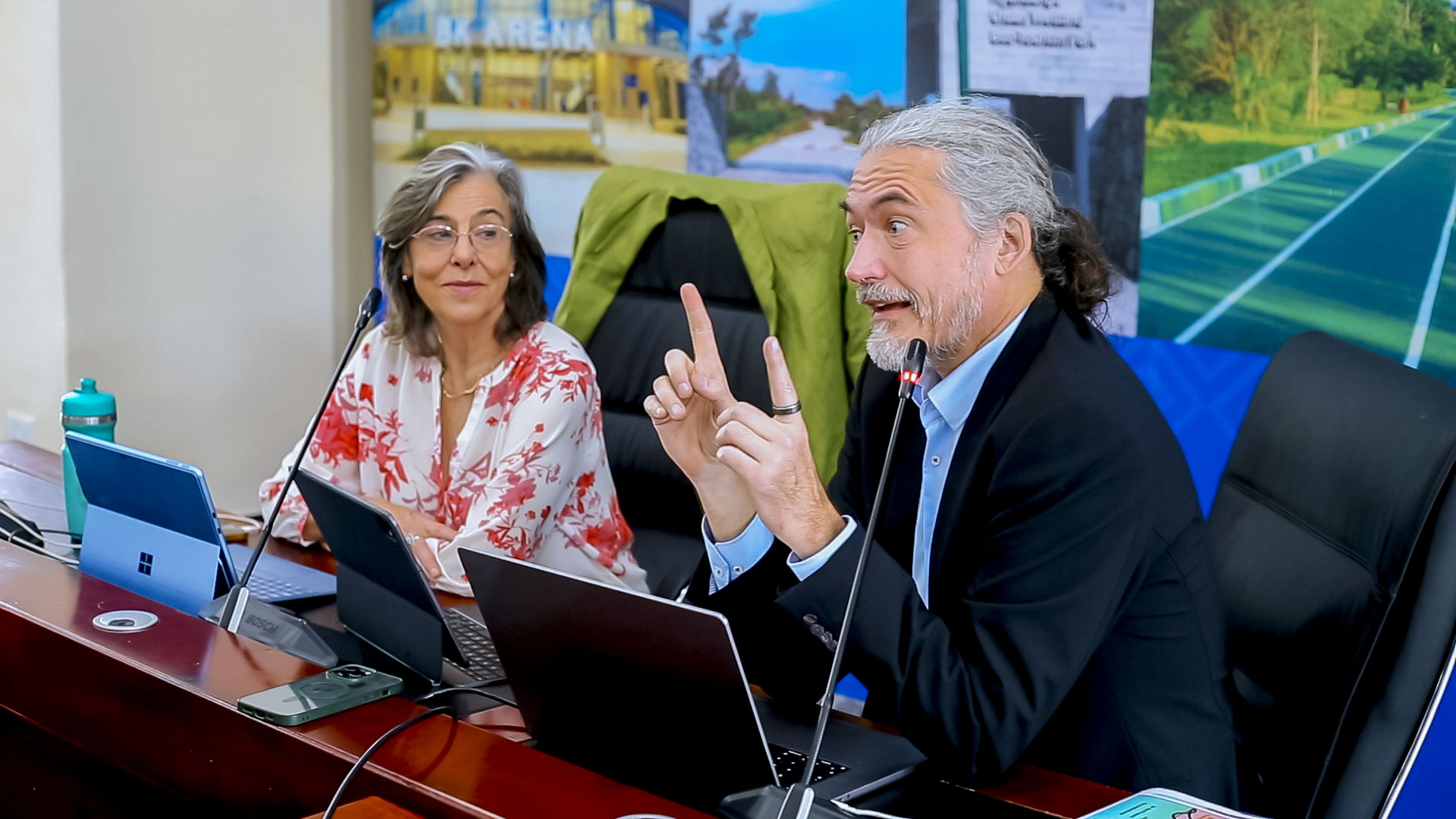
After the phase of the Gacaca Courts, the healing of Rwanda’s society can continue to unfold in this way — and the incredible pain can be transformed into post-traumatic growth.
I would like to thank Emily Gould at this point for the fantastic work she has already done as the foundation for this project.
In a second part, Emily and I will go deeper into this work and share our perspectives in a follow-up blog article.
Thomas Hübl